






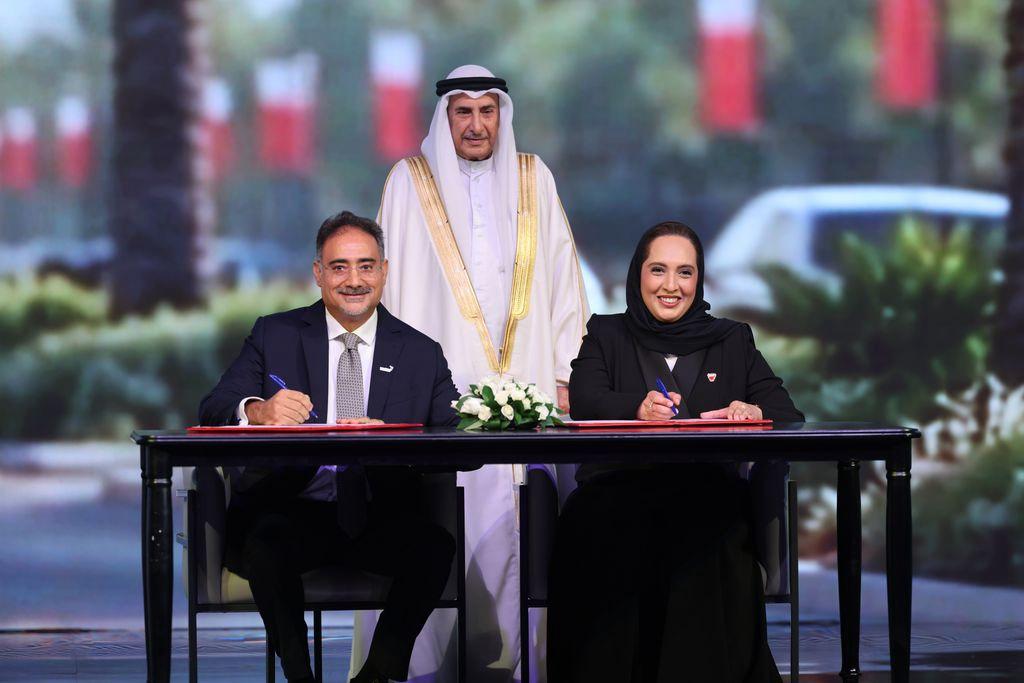
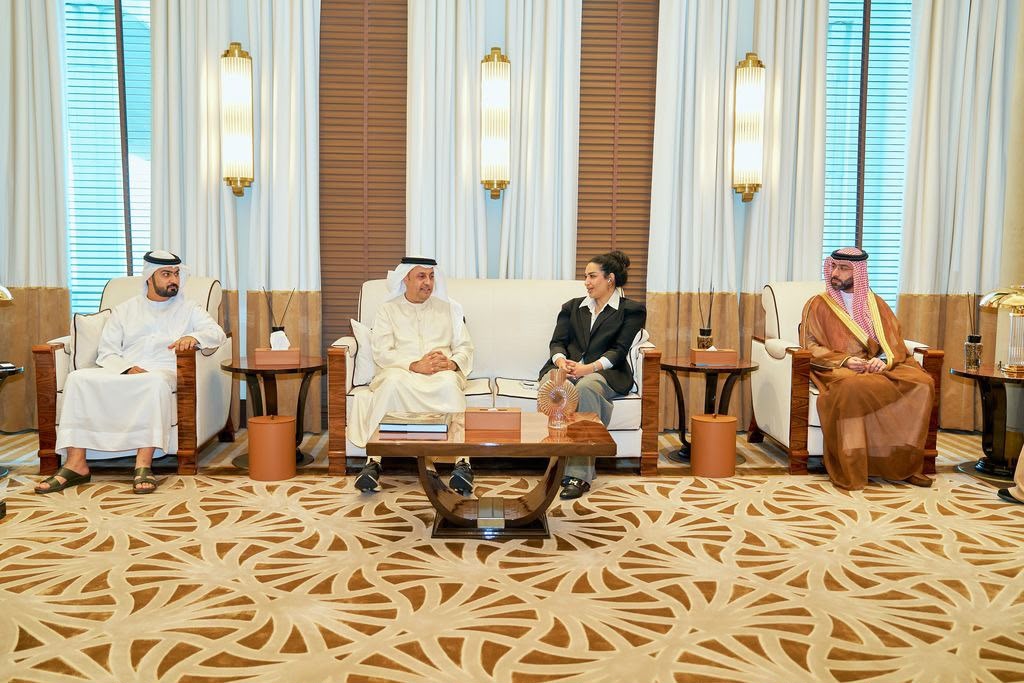
Her Excellency Ms. Amna bint Ahmed Al Rumaihi, Minister of Housing and Urban Planning, affirmed that the Kingdom of Bahrain continues to develop its social housing sector through a vision focused on diversifying housing options and solutions, strengthening partnerships with the private and banking sectors, and increasing real estate supply, supporting efforts to provide adequate housing that meets the needs and aspirations of Bahraini families.
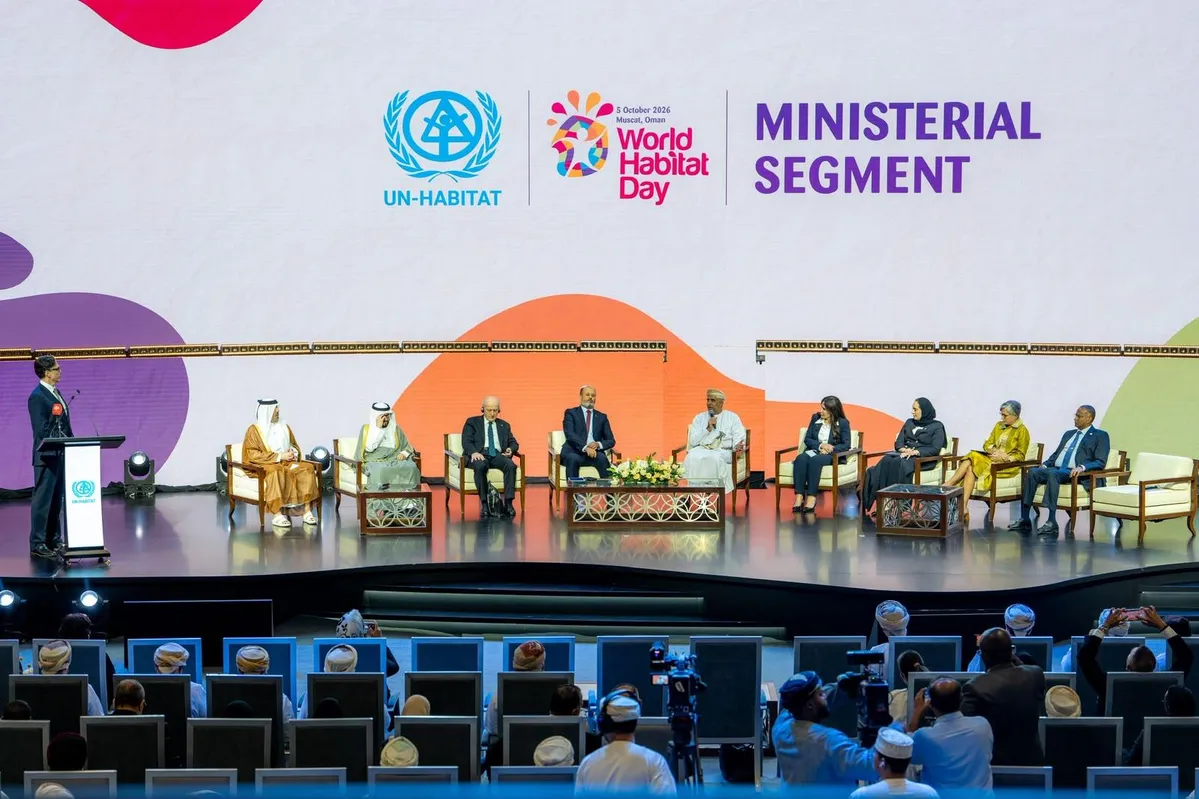
This came during Her Excellency's official address at the "Urban October" Conference held in the sisterly Sultanate of Oman, in the presence of His Excellency Dr. Eng. Khalfan bin Said Al Shuaili, Minister of Housing and Urban Planning of the Sultanate of Oman, alongside a number of ministers, senior officials, experts and specialists. During her address, Her Excellency highlighted the Kingdom of Bahrain's experience in developing housing policies and options, and its transition towards a more diversified, flexible and sustainable housing system.
Her Excellency emphasised that Bahrain's social housing sector receives considerable attention under the continued patronage of His Majesty King Hamad bin Isa Al Khalifa, King of the Kingdom of Bahrain, and the directives of His Royal Highness Prince Salman bin Hamad Al Khalifa, the Crown Prince and Prime Minister, supporting the continued development of housing policies and options and expanding citizens' access to housing services.
She noted that, in recent years, the Kingdom of Bahrain has worked to transform its housing model from one primarily focused on providing government housing units into a more diversified and flexible system, offering citizens multiple pathways to access adequate housing through housing projects, financing programmes and private sector developments.
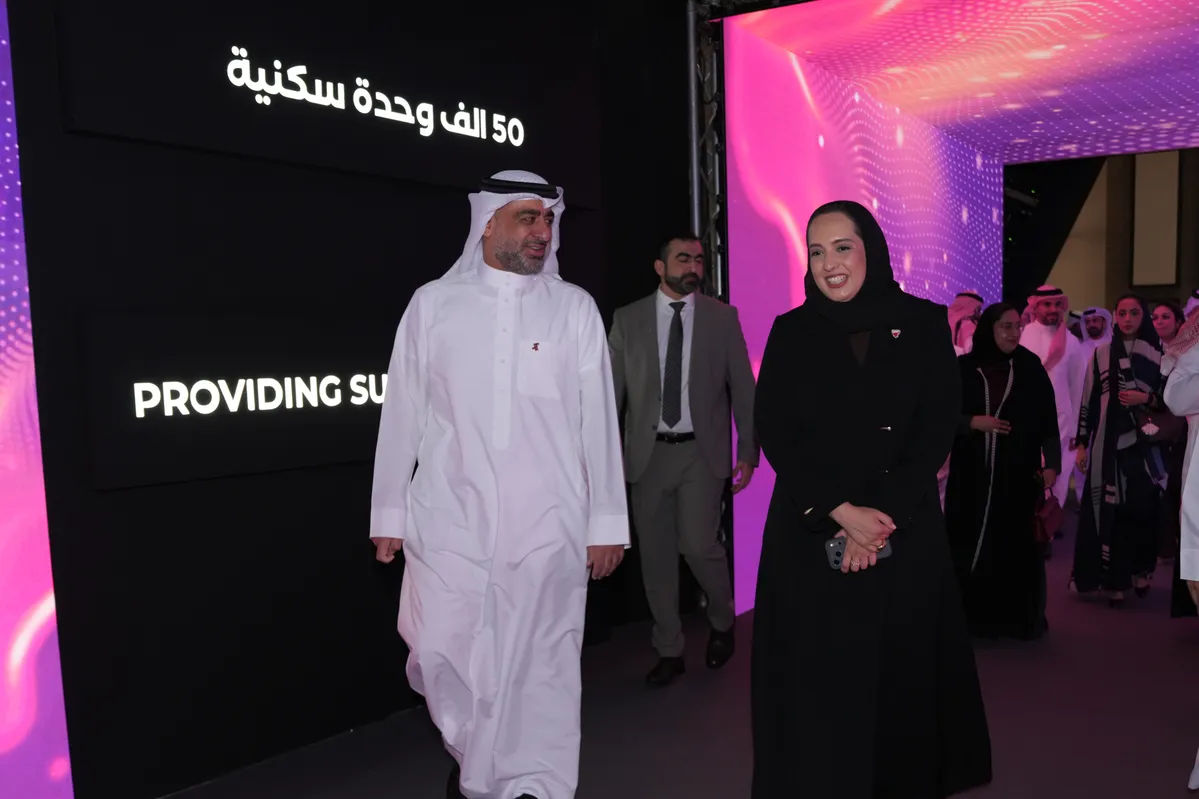
The Minister of Housing and Urban Planning explained that the Kingdom has adopted integrated approaches to implement His Majesty the King's directive to accelerate housing projects to provide 50,000 housing units. These approaches enhance the housing system's capacity to respond to demand and reinforce private sector partnerships as a fundamental pillar in achieving this national objective.
Her Excellency explained that housing financing programmes are at the forefront of these approaches, offering citizens flexible options to obtain adequate housing according to their needs and financial capabilities, in partnership with the banking sector and real estate developers, while maintaining government support to facilitate access to financing and achieve housing stability.
She added that this approach is complemented by the Government Land Development Rights Programme, which enables the private sector to contribute to the development of state-owned land into integrated housing projects. This is accompanied by the activation of the Private Land Development Rights Programme, which expands partnerships with landowners and developers and encourages the utilisation of privately owned land for residential developments, thereby increasing real estate supply.
Her Excellency affirmed that these approaches form an integrated system that combines enabling citizens to access appropriate financing, increasing the supply of housing units and encouraging private sector investment and development. This contributes to accelerating the provision of housing solutions and fulfilling His Majesty the King's directive to provide 50,000 housing units.
She highlighted that partnerships with the private and banking sectors represent one of the most important pillars of the transformation of the housing system. She noted that the government's role has become more comprehensive, encompassing policymaking, land provision, housing support, and the promotion of investment and real estate development, alongside strengthening the private sector's contribution to providing housing solutions.
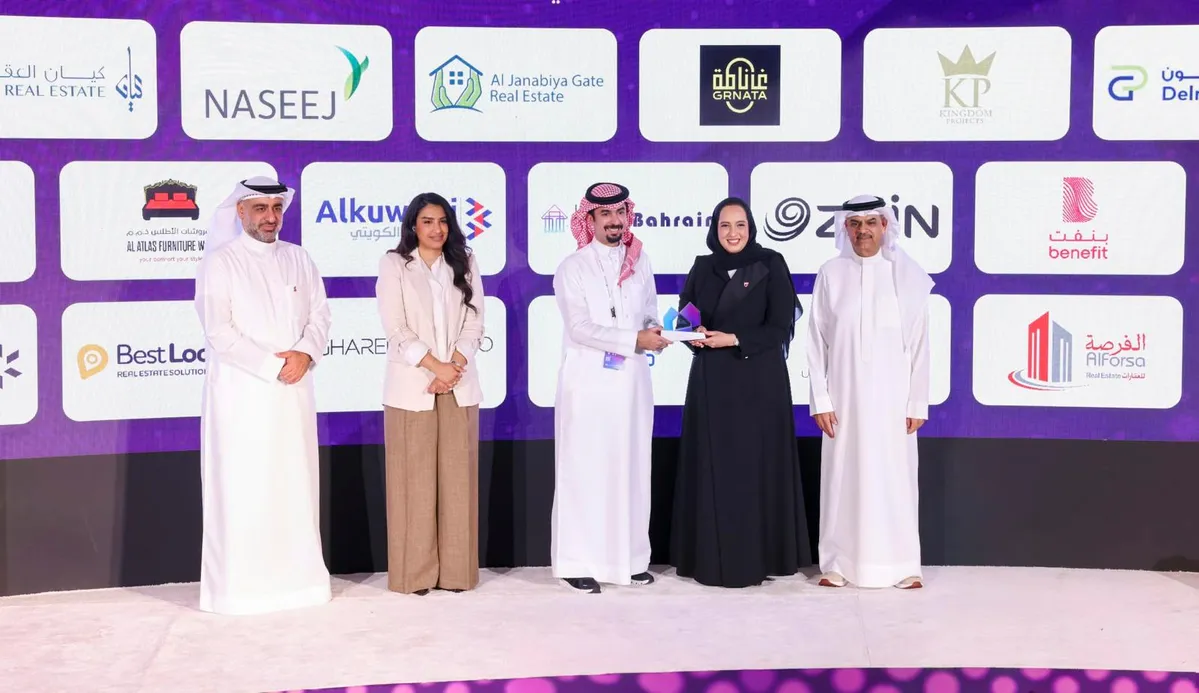
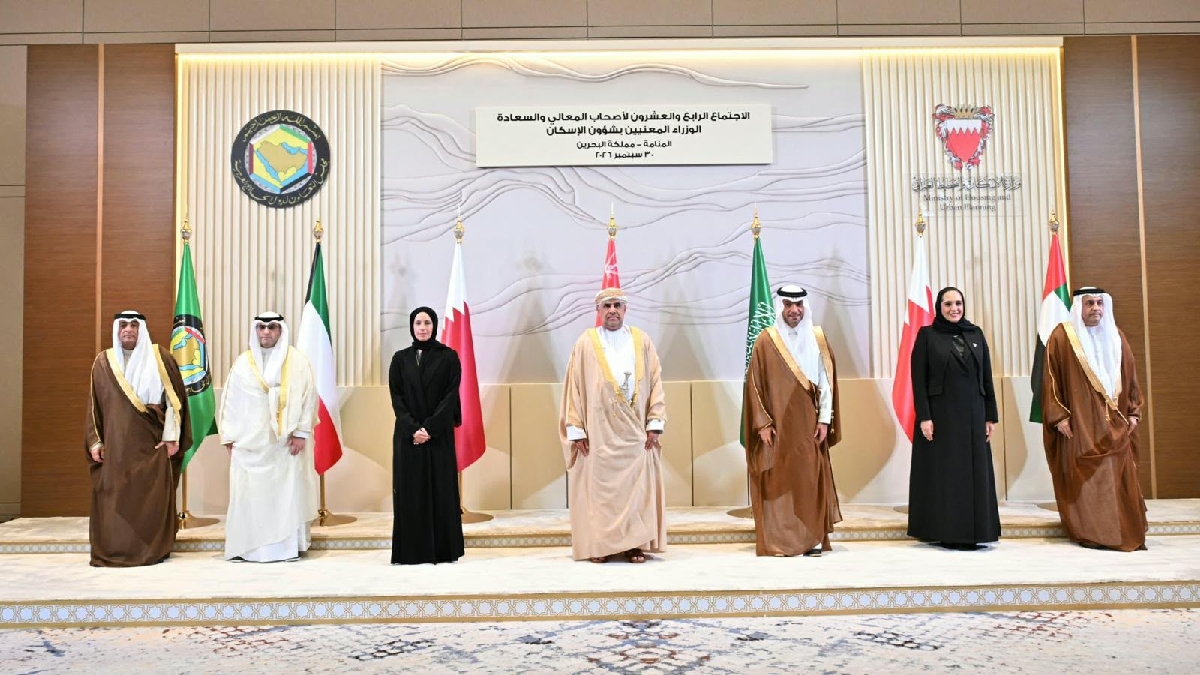
In a related context, the Minister referred to the Kingdom of Bahrain's recent hosting of the Fourth Gulf Housing Week and the second edition of the Social Housing Innovation Conference and Exhibition 2026. She noted that the conference's outcomes emphasised the importance of evolving the government's role from directly providing housing products to leading and enabling the private sector to contribute to diversifying and expanding housing options.
She added that the outcomes also highlighted the importance of increasing housing supply, establishing clear governance frameworks for the use of data and artificial intelligence, ensuring the safe and responsible application of modern technologies, and strengthening the integration of housing planning with infrastructure, transportation, services and public facilities to develop integrated, future-ready communities.
Her Excellency emphasised that achieving the goal of "Adequate Housing for All" requires policies capable of accommodating the diverse needs and financial capabilities of families while providing multiple financing, ownership and housing tenure options. She noted that housing quality is also closely linked to the quality of the surrounding urban environment and the availability of services, facilities, infrastructure and public spaces, contributing to improved quality of life and greater family and social stability.
She further noted that housing challenges underscore the importance of innovation, partnerships and knowledge exchange, highlighting the diverse housing and urban development experiences of the Gulf Cooperation Council countries, which provide valuable foundations for further progress and development.
The Minister of Housing and Urban Planning concluded by reaffirming the importance of continuing to develop housing policies that meet the needs of present and future generations and enhance access to adequate and sustainable housing, recognising it as a foundation for family and social stability and a key component of quality of life. She also renewed her appreciation and gratitude to the sisterly Sultanate of